tirsdag 6. januar 2015

No. 2 p.178 TAKING ACTION

No 2. Look back on the list at page 175 ("Seven Ways to be Heard") Which of these methods does Malin use in her role as Amnesty activist?

Malin uses method number 2, using social media and method  number 5, making petitions in her role as Amnesty activist, but she has also used method 7, influence the authorities.
  Just recently because of an Ethiopian woman who was unpopular with the government because she refused to give in to political pressure. She was one of a number of Ethiopian activists, and was sentenced to life imprisonment in 2005. She was released because of Amnesty after 18 months, on the terms that she apologized for her crimes, but she refused and was rearrested. Malin was one of many Amnesty activists who sent letters to the Ethiopian authorities, demanding her release. They released her in 2010.

Source: A case of injustice


mandag 5. januar 2015

Poems on Monday the 27th of October

Global Village and The Right Word

We started by reading a poem by a Nigerian author called Yusuf M. Adamu, and his poem was called "Global Village".  First we discussed what the poem was about, and we agreed on that is was about the fact that people are different, and that people should take care of their culture. We read the poem to ourselves, and then we walked around the classroom reading the poem out loud, and in the end we were split in to groups and read different stanzas each.

The next poem we read is called "The right word" by a British/Pakistanis writer named Imtiaz Dharker, this poem was about terrorism, and asking about who the terrorists really are. Some of us read the poem, and the others made a play while we read it out loud.

Sources: p.170 and p.184 in Access


Imtiaz Dharker.

   
Yusuf M. Adamu

3b p. 159 DISCUSSION

b) John wants to change the world through the force of example, while Jenny wants to change it through protest. Which of these methods do you think is most effective, and why?

I think both of them can be very effective, because they can both make people think or feel different about something, and then make them change what they do about it. John goes by as a very good example for other people, and when people see what a great thing he is doing, they might begin doing it or something familiar their selves. Jenny also affects people, because when a larger group of people stand for something it is easier for someone else to express what they mean too. When you protest you will get a lot of attention, and more people will get involved in the problem.

Source: Page 158 in Access

Task 4 p. 157 QUICK RESEARH


4a) Has the global economic recession ended? What do the experts say?
According to globalresearh.ca there is no end in sight. It is different from country to country, but there are many countries still struggling a lot, and some countries which has improved their economic.

4b) Answer the questions, (by using this source)

1) In which region do most unemployed people live? 
They live in developing countries and the European Union.

2) Where is the youth unemployment highest?
The youth employment is highest in North-Africa.

3) Where do most of Working Poor live?
Most Working Poor people live in South-Asia.

4) Which regions have both high youth unemployment and a large number of Working Poor?
North Africa and South-East Asia & Pacific.


Three different medias entry on the same issue: The Oscar Pistorius trial


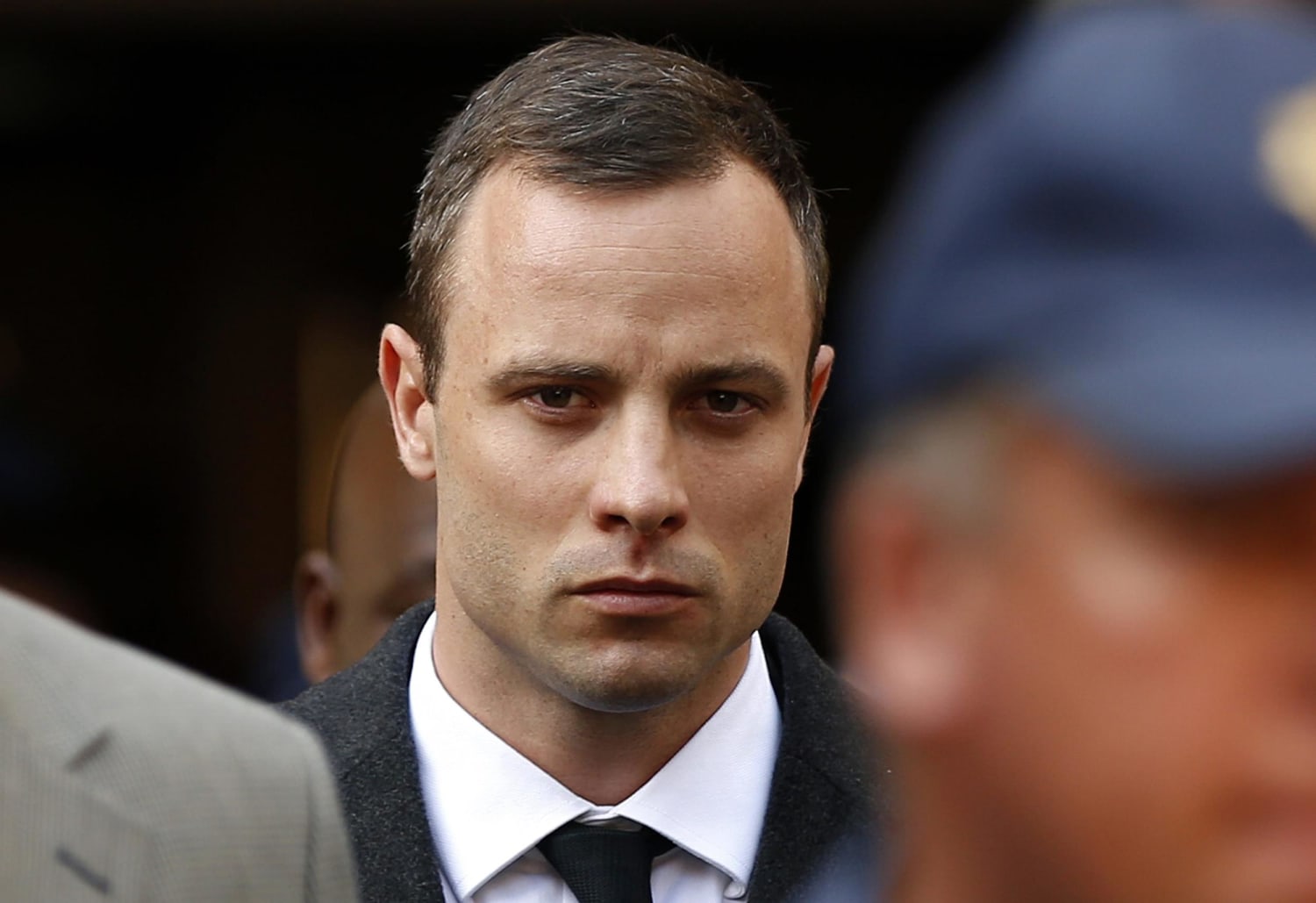
 Oscar Pistorius trial

I had a presentation about Oscar Pistorius and his trial. The three different medias I picked were the English tv-channel BBC, the American tv-channel CNN and the South African newspaper Mail and Guardian.


Oscar Pistorius is a handicap-sprintrunner from South Africa. Both of his legs were amputated below the knee when he was 11 months old. He competes in both events for single below-knee-amputes and able-bodied athletes. Pistorius is sometimes reffered to as "the blade runner", and "the fastest man on no legs".


 In February 2013 he fatally shot his girlfriend Reeva Steenkamp when they had been dating for 3 months. At his trial in 2014 he was not found guilty of murder, but guilty of culpible homicide, because the evidence showed that Mr Pistorius believed an intruder was inside the toilet when he shot his girlfriend dead in the early hours of Valentines Day 2013.


 BBC: BBC has written several articles about the incident and the trial. They have written both long and short articles from different angles on the case. They have updated with new articles everytime something new came forward, and they also wrote a very long article with the headline "what happened on the night of the shooting", and in this article they took a look at the case from everyones point of view. They wrote about all the evidences, and what happened step by step. They used both the defenders words, and the evidences from the investigation. I think BBC did a good job not drawing any conclusions before the trial.


CNN: CNN has not written any articles the same way BBC did with putting all the evidences in order and looking at things from everyones point of view, but they have written an article after the trial about his verdict and they have also posted a video of Pistorius standing in the courtroom getting his verdict. They have also written an article about Reeva Steenkamps mother who is stunned by the verdict and wants to meet Pistorius after the trial. CNN has given information about the trial, but not with the same compassion as BBC i think.


Mail and Guardian: Mail and Guardian is the biggest newspaper in South Africa which is where Pistorius is from. Mail and Guardian have written the most about the incident of all the three medias, and they have written articles about every little detail like for expample "Those close to Pistorius may have an answer", «Pistorius seen screaming, swearing in new video» and «remebering Reeva Steenkamp one year one» and so on.

My sources were: Wikipedia, BBC, CNN and Mail and Guardian.


tirsdag 9. desember 2014

Obama's Speech and Immigration voices

Listen to Obama's speech and answer the following questions:


a) What is he going to do?  First he will build on their progress at the border with additional resources for our law enforcement personnel, so that they can stem the flow of illegal crossings, and speed the return of those who cross over. Second, he will make it easier and faster for high-skilled immigrants, graduates and entrepreneurs to stay and contribute to their economy. Third, they will take steps to deal responsibly with the millions of undocumented immigrants who already live in their country. He also thinks they have to keep focusing enforcement resources on actual threats to their security. He says that the undocumented workers broke their immigration law, and he believes that they has to be held accountable, and especially those who may be dangerous.

b) How can he do this without congress's blessing?  As a president there is certain things you can do without the congress's blessing.

c) What is an American according to Obama?  An American according to Obama is someone that has an American attitude, speaks the language and loves the country. Also, someone who has lived their their whole lives or almost their whole lives, is considered an American, because these people has exactly the same dreams and hopes as an American.

d) What does Obama urge the house of Representatives to do?  He wants them to pass a bill. He wants to work with both parties to pass a more permanent legislative solution. The day he signs that bill into law, the actions he takes will no longer be necessary.

e) What is your stand to the issue, do you think Congress will pass the bill soon? Give reasons for your opinion. I think Obama's steps will work in some way, but it would be smarter with a more permanent legislative solution. And if everyone worked together there would be a higher chance to succeed.

Sources: Obama's speech


Summary of Immigration Voices:

On November 22, 2013, nine Nobel Laureates met with the president. They talked about the importance of a robust immigration system in the United States, and some of them were immigrants themselves. It was really just a bunch of smart people talking about the importance of  immigration. Immigrants can contribute to the country by working as lawyers, scientists, businesspeople etc., which the country needs. They also say that there is nothing wrong with the "dreamers", they have lived in America for a long time, are productive members of the society, and they are just as much an American as anybody else, but they are not Americans on paper, and this is something Obama wants to do something about.


President Quote: 
 

I really liked this quote by Lyndon B. Johnson, because he is reminding people that the United States started with immigrants, and that all their ancestors are immigrants. In the United States there is so many different cultures and people, and he says that the land has flourished because of this, because it was fed from so many sources, and nourished by so many cultures, and I think the reason USA is such a big and wealthy nation is just because of this.

onsdag 15. oktober 2014

Acronyms


WTO
  • deals with the global rules of trade between nations
  • it’s main function is to ensure that trade flows as smoothly, predictably and freely as possible
  • the goal is to help producers of goods and services, exporters  and importers conduct their business

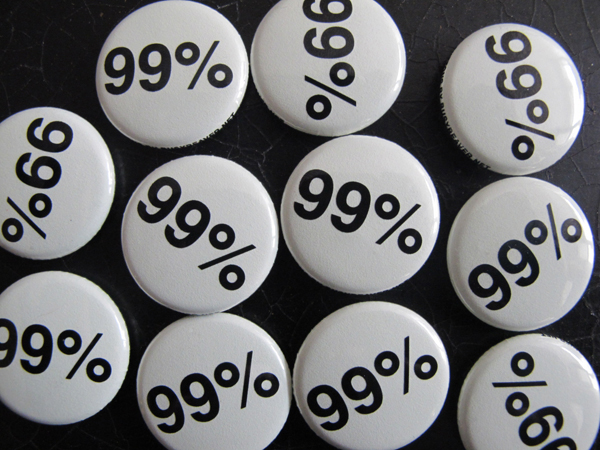
"99%"

  • is a political slogan used by the Occupy movement (movement against social and economic inequality)
  • «We are the 99%»
  • the 99% are paying the price for the mistakes of a tiny minority within the upper class
  • started in the US, but is now an international movement

IMF
  • international fund is an international organization that was initiated in 1933 at Bretton Wood Conference 
  • was formally created in 1945 by 29 member countries


The World Bank
  • a United Nations international institution that provides loand and developing countries for capital programs 
  • the World Bank’s official is the reduction of poverty


United Nations
  • an international organization to promote international co-operation
  • created following the second world war to prevent another such conflict
  • 193 member states
  • the UN headquarter is situated in Manhattan, New York City
  • also has main offices in Geneva, Nairobi and Vienna
Great recession
  • a term used to describe the general economic decline observed in world markets around the end of the first decade of the 21st century
  • the recession is often associated with the US subprime mortage crisis and financial crisis of 2007-2008

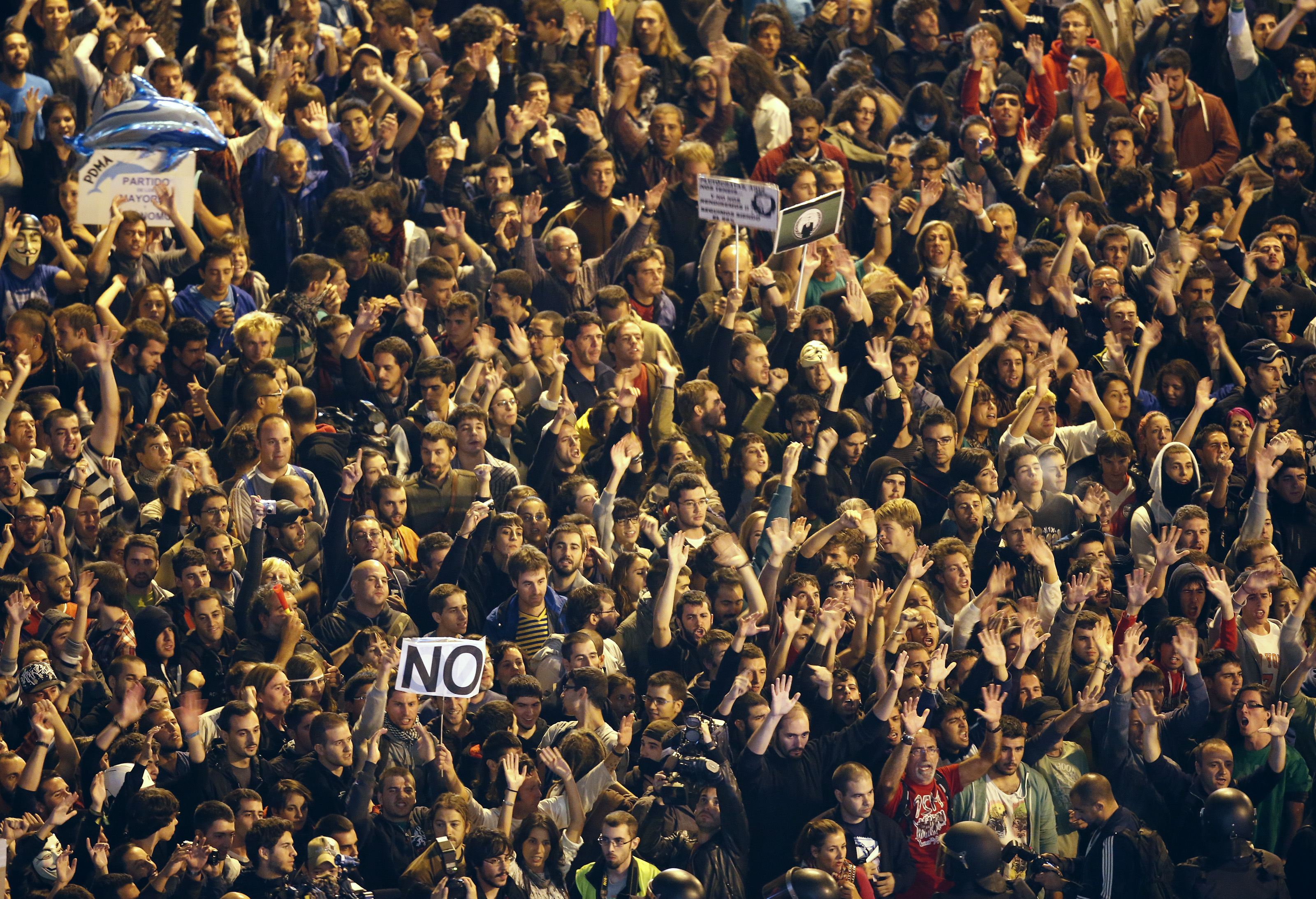
Occupy Wall Street
  • started with demonstrations  in New York City the 17th of September, 2011
  • the demonstrations had spread to at least 70 cities in the US
  • the demonstrations spread to other countries, like Germany England and Italy
  • demonstrated against social and economic inequality, greed and corruption
  • used the slogan «we are the 99%»

Globalization
  • the process of international intergration arising from the interchange of world views, products, ideas and aspects of culture
  • the world is getting «closer»
  • we affect each other